August 7, 2026
Hydraulic systems serve as the foundational backbone for countless commercial and industrial operations across the country. From high-capacity manufacturing facilities to heavy equipment operations, these mechanical setups convert pressurized liquid into immense mechanical force with remarkable precision. Achieving peak performance in these systems directly impacts operational productivity, energy conservation, and overall maintenance budgets. Relying on local industrial supplies has become a strategic advantage for facility managers seeking to maintain smooth operations.
When fluid power machinery operates under heavy loads, component wear and tear become continuous operational hurdles. Sourcing high-grade replacement parts from reliable regional suppliers ensures that essential components remain readily accessible when unexpected failures occur. Proximity to key equipment distributors allows plant operators to optimize fluid power output, minimize system downtime, and maintain overall machinery performance. Evaluating the strategic advantages of neighborhood distributors reveals clear operational benefits for modern facilities.
Understand Modern Hydraulic System Demands
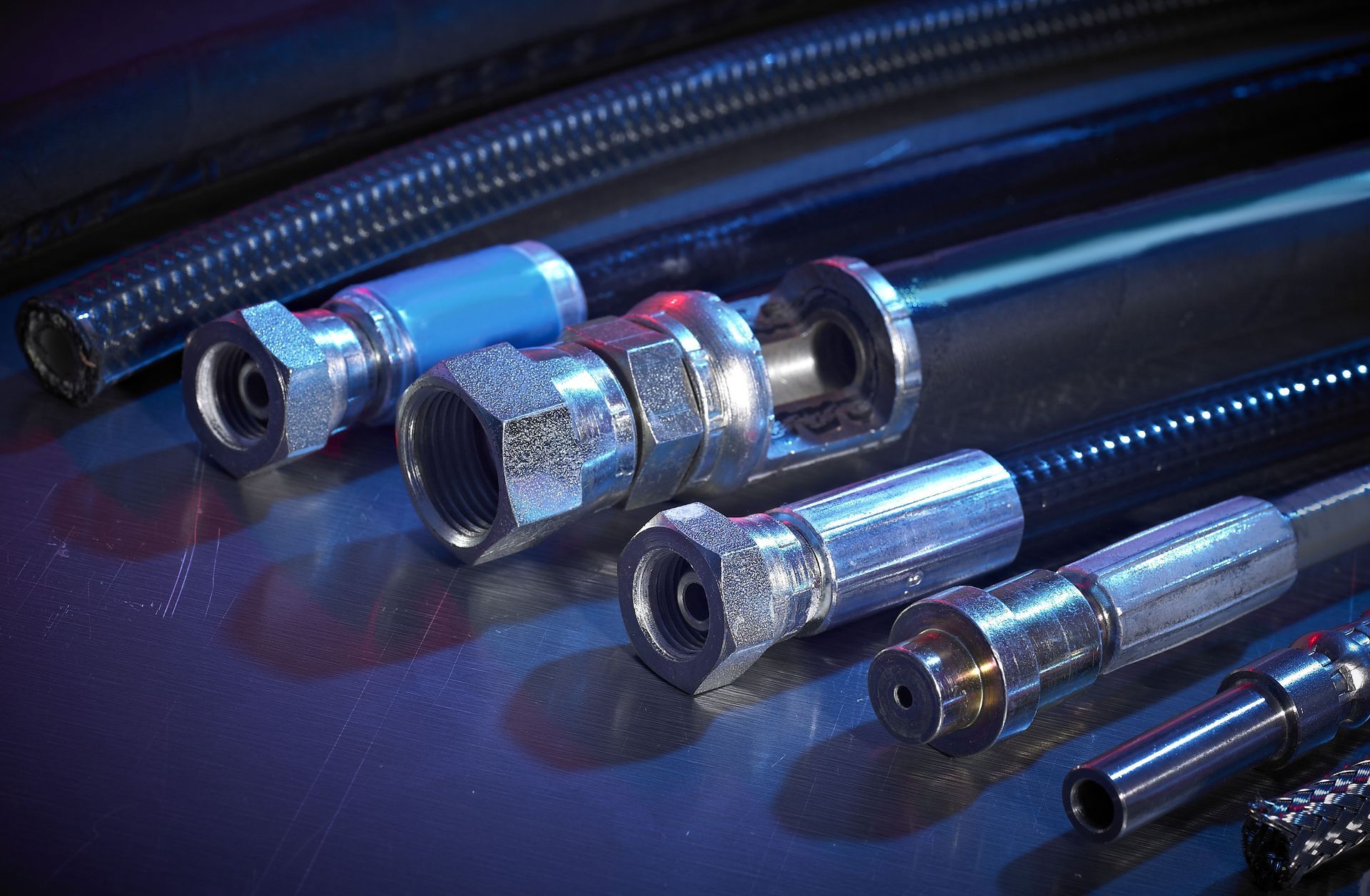
Fluid power machinery relies on controlled liquid circulation to transfer energy across interconnected components like pumps, valves, hoses, and mechanical seals. Each individual component must perform within tight engineering tolerances to maintain smooth fluid dynamics and prevent energy loss. When key parts degrade or malfunction, system efficiency drops rapidly, driving up power consumption and creating severe mechanical stress throughout the entire system.
System cleanliness plays a vital role in preserving power transfer and preventing premature component degradation across all fluid power setups. In fact, according to Global Electronic Services, fluid contamination causes anywhere from 65% to 90% of all hydraulic system failures. Proper filtration units, high-grade sealing materials, and routine fluid analysis are essential for protecting sensitive internal mechanisms from microscopic abrasive particles.
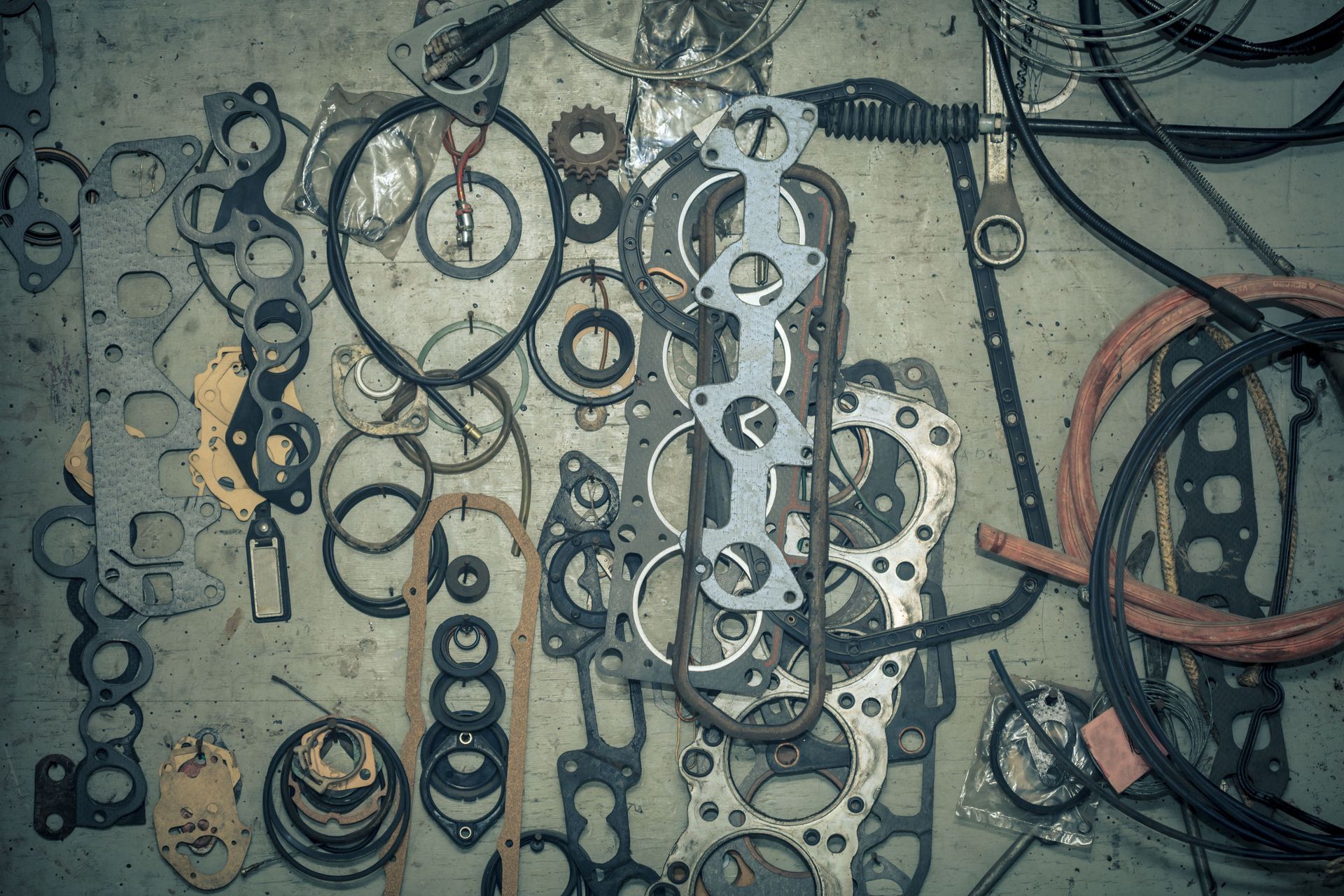
Maintaining fluid power performance requires a consistent approach to equipment monitoring and timely component replacement. Securing dependable local industrial supplies enables maintenance managers to obtain exact-fit replacement seals, heavy-duty hoses, and specialized filtration elements without facing extended waiting periods. Partnering with nearby vendors ensures that critical maintenance supplies arrive promptly to keep machinery operating at peak efficiency.
Reduce Lead Times and Transportation Costs
Geographical distance plays a massive role in overall supply chain responsiveness, particularly during sudden mechanical breakdowns. Sourcing replacement components from local industrial supplies significantly reduces transit times and eliminates expensive express freight fees. When critical machinery suffers an unexpected failure, having immediate access to nearby inventory prevents costly operational shutdowns and protects overall facility productivity.
Shorter shipping distances also contribute directly to corporate sustainability initiatives by reducing fuel consumption associated with long-haul logistics. Moving components across shorter regional distances reduces carbon emissions while simplifying inventory management for facility operators. By keeping inventory close to the point of use, plant managers can maintain lower on-site safety stock while remaining confident in rapid order fulfillment.
Direct access to regional distributors simplifies logistics planning and allows for real-time delivery tracking. Maintenance managers can coordinate component deliveries around planned service windows rather than adjusting maintenance schedules based on unpredictable shipping delays. Working closely with nearby vendors helps facilities establish agile procurement workflows that optimize both operational budgets and equipment uptime.
Strengthen Component Quality and Operational Reliability
Quality control standards in domestic manufacturing ensure that fluid power components meet rigorous technical specifications. Sourcing inventory through local industrial supplies gives plant managers confidence that replacement parts conform to established national engineering standards. Certified components reduce the risk of unexpected fluid leaks, pressure drops, and premature mechanical wear in demanding environments.
Consistent testing and quality verification processes prevent defective parts from entering active machinery circuits. Reputable regional distributors conduct rigorous quality checks on incoming inventory, verifying that hose assemblies, fittings, and internal valves handle extreme pressure conditions. This attention to detail protects sensitive pumps and actuators from structural failures caused by substandard materials.
Building strong business relationships with regional suppliers fosters mutual trust and open lines of technical communication. Regular interactions with vendor representatives allow facility operators to discuss recurring mechanical issues and receive direct product recommendations. Trustworthy industrial distributors act as technical partners, helping maintenance teams select robust components that enhance long-term machinery performance.
Tailor Custom Engineering for Complex Applications
Standard off-the-shelf components do not always meet the unique operational demands of specialized machinery setups. Working alongside local industrial supplies distributors allows engineering teams to design custom hose assemblies, unique fitting configurations, and specialized valve manifolds. Custom-tailored components eliminate fluid restriction issues and optimize energy transfer across complex equipment layouts.
Proximity accelerates the design, prototyping, and testing phases required for custom fluid power solutions. Technical specialists can visit facility sites directly to assess equipment layouts, measure dimensional constraints, and recommend precise component modifications. This hands-on collaboration ensures that custom assemblies fit perfectly into existing setups without requiring extensive machine alterations.
Rapid design iterations enable plant managers to solve persistent engineering challenges quickly and efficiently. Regional suppliers can modify existing product designs or fabricate specialized fittings on short notice to accommodate evolving operational needs. Access to flexible manufacturing capabilities empowers facilities to adapt quickly to changing production demands.
Eliminate Sourcing Delays and Hidden Expenses
International procurement often introduces unexpected costs that complicate overall maintenance budgets and operational planning. Overseas shipping frequently involves tariff adjustments, customs clearances, long transit delays, and volatile currency fluctuations. Purchasing through local industrial supplies eliminates these hidden financial risks, providing transparent pricing structures and predictable procurement expenses.
Unplanned machine downtime represents one of the most significant hidden expenses in modern facility management. Waiting weeks for imported replacement parts stalls production lines, delays customer shipments, and increases labor costs associated with idle staff. Securing components from nearby vendors minimizes downtime expenses and protects overall operational profitability.
Healthy regional market competition helps keep component pricing fair and competitive for facility buyers. Having access to multiple regional vendors encourages competitive service terms, improved inventory availability, and value-added technical services. Smart cost management strategies leverage these regional options to secure high-quality fluid power components at sustainable price points.
Adopt Sustainable Practices and Advanced Technologies
Technological advancements in domestic manufacturing are reshaping how fluid power components are produced and distributed. Advanced automated production techniques, precision machining, and smart quality control systems enable nearby suppliers to produce exceptionally reliable components. Partnering with technologically advanced distributors ensures access to modern, high-efficiency equipment upgrades.
Digital ordering platforms and real-time inventory tracking systems streamline communication between facilities and regional vendors. Facility managers can check part availability instantly, place electronic reorders, and schedule immediate pick-ups or deliveries. Integrating digital tools into regional procurement workflows reduces administrative overhead and minimizes order processing errors.
Environmental stewardship continues to drive modern supply chain decisions across all industrial sectors. Sourcing replacement parts from regional distributors reduces transportation emissions, minimizes excess packaging waste, and supports sustainable business models. Adopting environmentally responsible procurement strategies aligns facility operations with modern sustainability goals while enhancing equipment reliability.
Prioritizing neighborhood procurement strategies delivers substantial benefits for facilities relying on heavy fluid power equipment. From reducing transit delays and lowering shipping costs to accessing custom engineering support, regional partnerships optimize machine productivity. Securing high-quality components from reliable vendors protects sensitive systems, prevents premature machinery failures, and supports sustainable corporate growth.
Building long-term relationships with regional distributors safeguards operations against broader supply chain disruptions while promoting economic vitality. When plant managers choose dependable local industrial supplies, they ensure consistent performance across all mechanical systems. Reach out to our expert team at Freedom Rubber & Industrial today so we can assist you with your equipment needs.