October 30, 2026
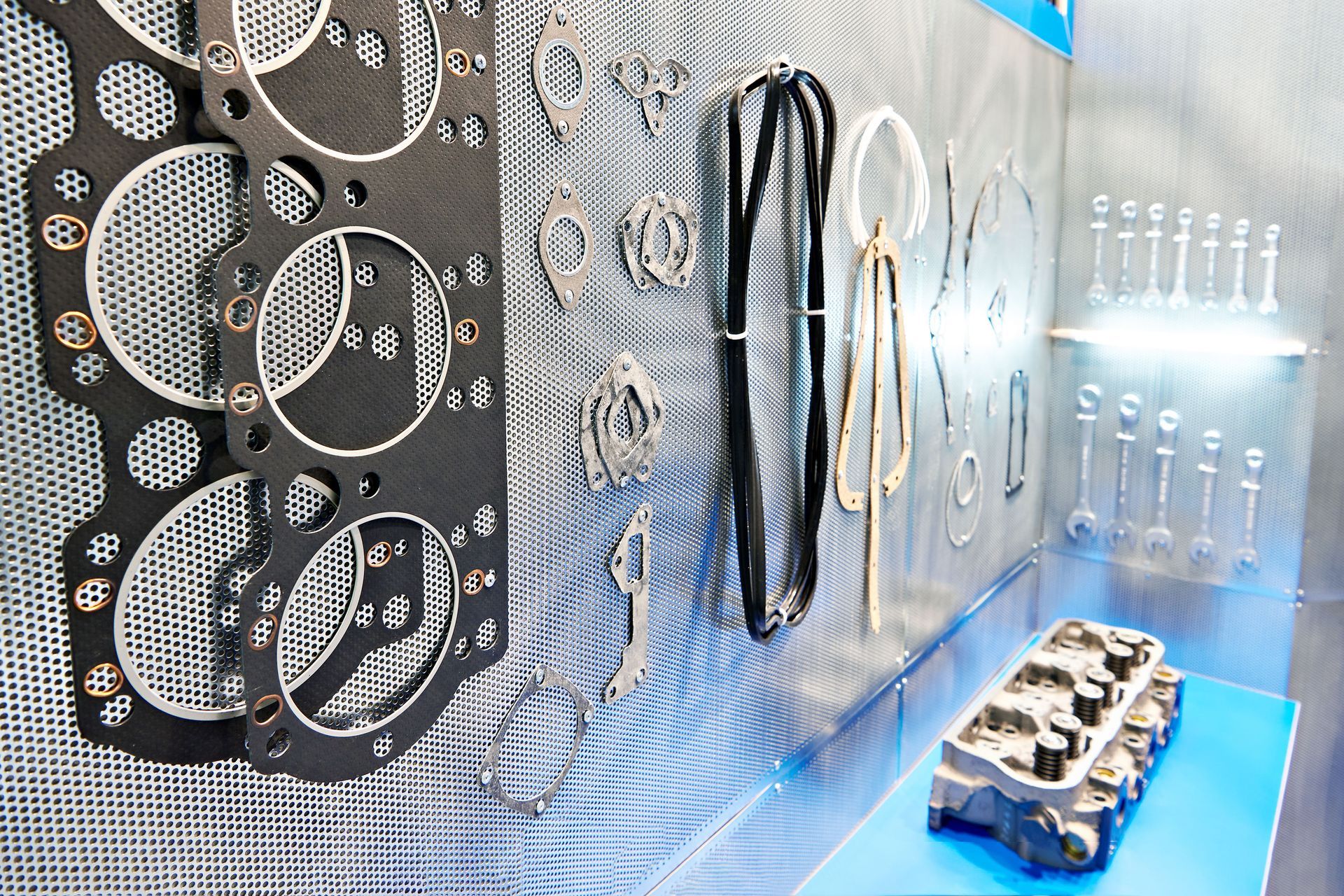
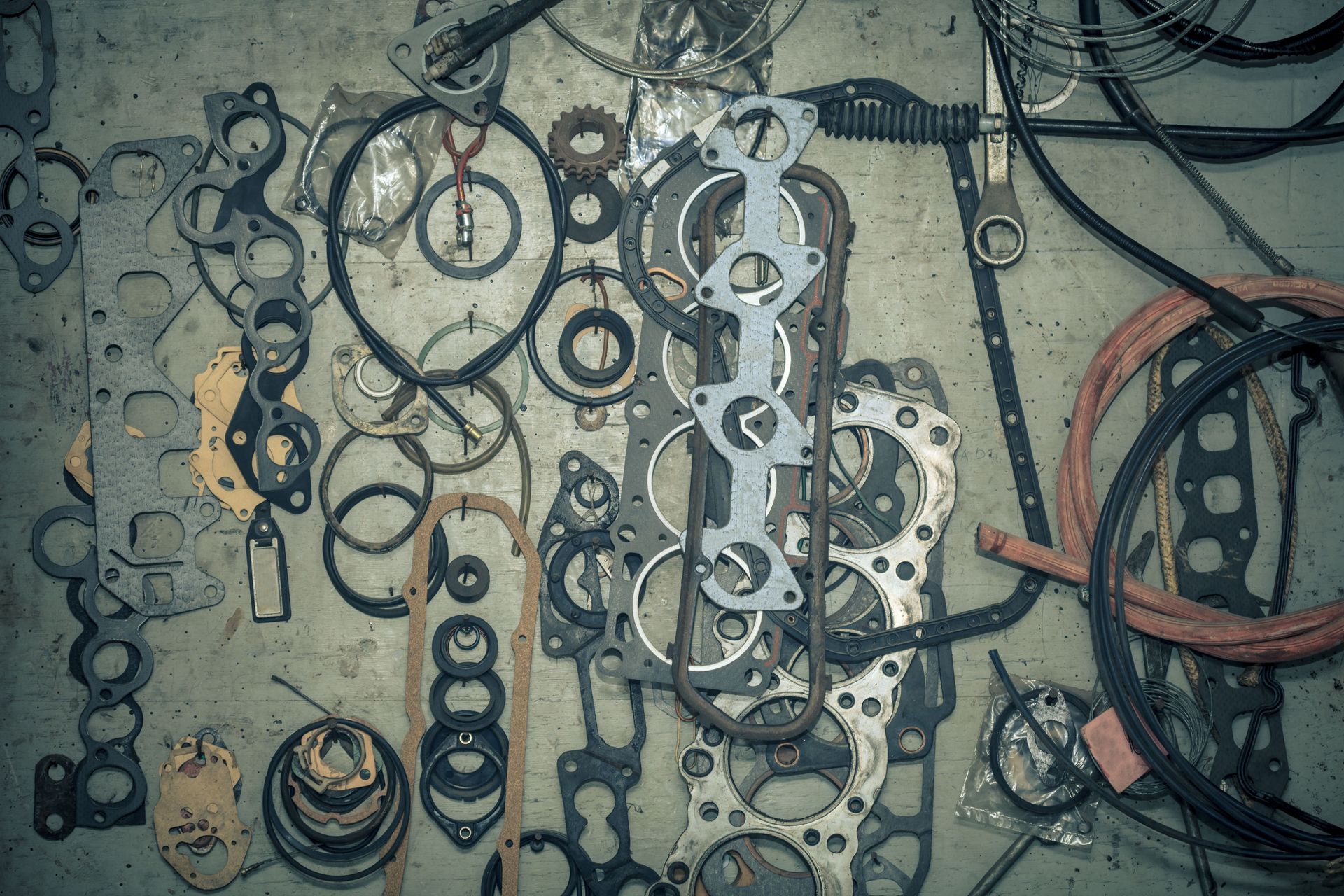
Sourcing reliable components remains a central task for maintaining operational efficiency across heavy manufacturing facilities. O-rings and heavy-duty flange gaskets prevent leaks while ensuring mechanical equipment functions efficiently under pressure. Because fluid control components directly impact the safety of your machinery, finding the right fluid sealing providers requires careful evaluation. Knowing what questions to ask prospective partners helps you secure high-quality sealing solutions that meet your exact mechanical specifications.
Evaluating prospective vendors before making a purchase ensures that your facility maintains consistent uptime without unexpected seal failures. Asking about material testing, technical knowledge, and delivery capabilities helps you identify a partner dedicated to your long-term operational success.
Understanding Technical Knowledge and Component Expertise
Determining the depth of a supplier's technical knowledge prevents costly mistakes during the procurement process. A knowledgeable team offers valuable guidance regarding material compatibility when components face extreme temperatures or harsh chemical environments. Asking how long a company has been operating provides a clear indication of their stability in the fluid sealing industry. Experienced industrial gasket suppliers understand fluid dynamics and recognize which compounds perform reliably under demanding mechanical conditions.
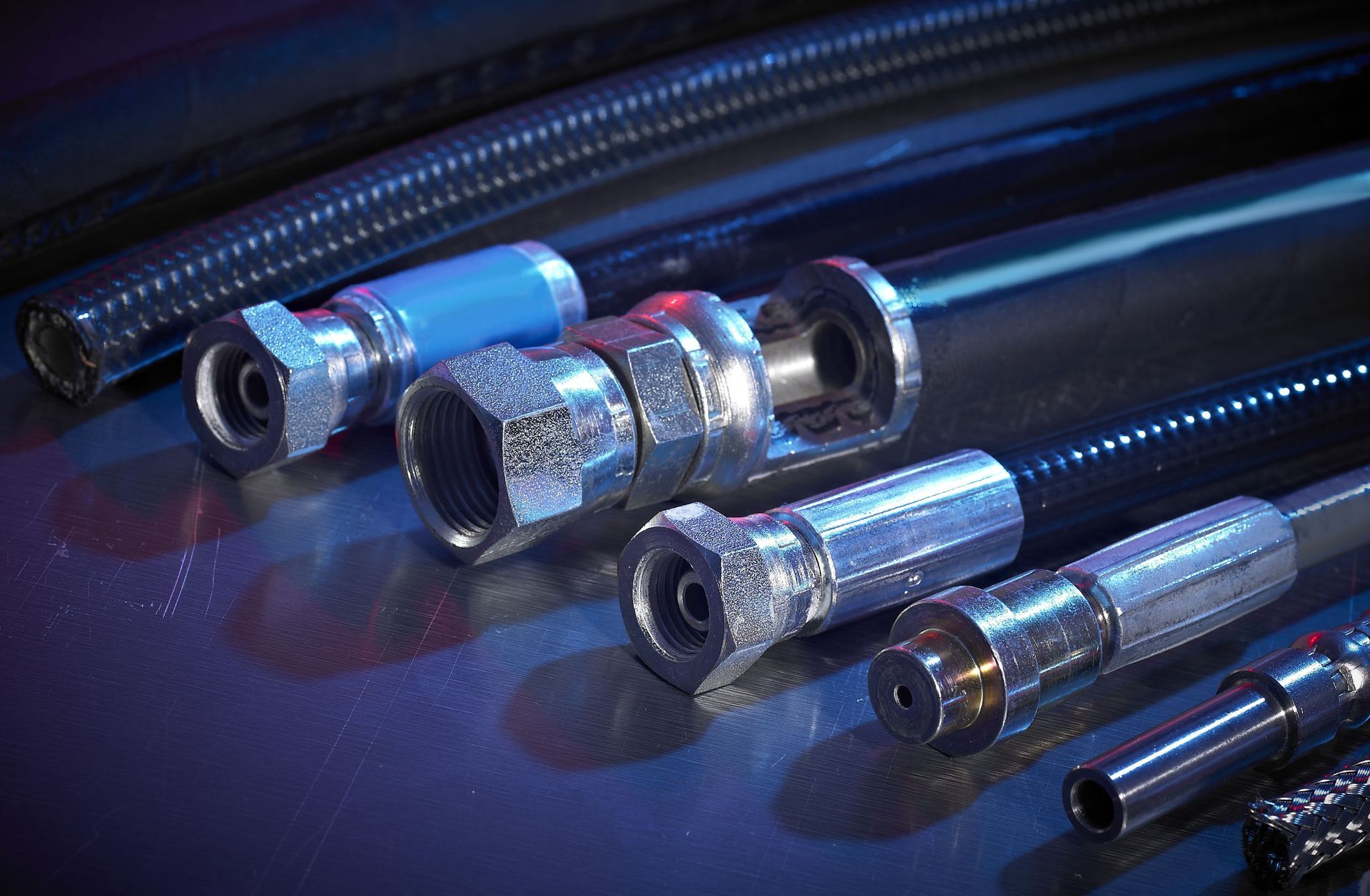
According to Global Electronic Services, optimal operation for most industrial hydraulic systems falls between ISO 16/14/11 and ISO 18/16/13, with servo valve circuits requiring even stricter cleanliness. Partnering with professionals who grasp these strict fluid requirements ensures that your hydraulic seals and custom gaskets prevent external contamination from damaging sensitive hydraulic valves.
Evaluating Material Availability and Inventory Practices
Consistent inventory practices define how quickly a supplier can respond when your production lines require emergency replacement parts. Asking about their stock levels for common elastomer materials reveals whether they can handle immediate fulfillment demands. It is essential to know if a vendor keeps bulk sheets of neoprene and silicone on hand for immediate cutting.
Discussing supply chain networks helps you understand whether a company relies on single sources or maintains multiple manufacturing channels. Capable industrial gasket suppliers cultivate wide distribution networks to ensure material availability during unexpected global shortages. Ensuring your partner carries sufficient stock protects your facility against prolonged downtime caused by delayed component shipments.
Assessing Material Traceability and Industry Compliance
In highly regulated fields like aerospace and heavy manufacturing, material traceability is a critical requirement. You should ask potential partners if they provide full documentation tracking raw materials back to their original batch.
This traceability ensures accountability if a sealing component ever fails under pressure. Suppliers who maintain detailed material records demonstrate a strong commitment to industry compliance. Knowing the exact origin of your rubber compounds and sealing sheets gives your engineering team confidence that every installed part meets stringent internal safety standards.
Confirming Quality Assurance and Manufacturing Capabilities
Every reliable sealing component originates from strict manufacturing standards and thorough material inspection processes. Asking potential partners about their internal quality control measures reveals their commitment to delivering defect-free products. You should inquire about how they measure dimensional tolerances during the cutting phase.
Strict quality control involves verifying material thickness and inspecting finished edges for imperfections before packaging. Reliable industrial gasket suppliers document their inspection routines carefully, providing full transparency regarding how they maintain consistency across large volume orders. When a company prioritizes rigorous inspection, you avoid receiving parts that fail prematurely during critical facility operations.
Assessing Custom Fabrication Capabilities
Many manufacturing facilities operate custom-built machinery that requires non-standard sealing shapes and unique bolt-hole patterns. Discussing custom fabrication capabilities helps you determine if a supplier can create bespoke solutions from engineering blueprints. Asking about their die-cutting equipment and waterjet capabilities provides insight into how accurately they can replicate complex shapes.
Vendors with in-house cutting machinery typically offer shorter turnaround times for custom prototypes. Asking whether they provide reverse engineering services for obsolete machinery parts reveals their flexibility in solving complex fluid control challenges. An adaptable vendor easily scales production from single prototypes up to high-volume commercial runs.
Examining Pricing Structures and Delivery Logistics
Understanding how a vendor structures their pricing helps you manage procurement budgets effectively. When reviewing initial quotes, ask for a detailed breakdown explaining material costs alongside custom tooling fees. Clarifying whether initial setup charges apply to every order or only the first production run prevents budget surprises later.
Discussing volume discounts helps you plan for long-term purchasing agreements that lower your overall unit costs. You should also ask about invoice terms, as flexible payment arrangements can improve cash flow for your maintenance department. Establishing clear financial expectations early ensures a transparent working relationship built on mutual respect.
Verifying Shipping Reliability and Lead Times
A vendor might produce exceptional components, but failing to deliver those parts on time creates significant disruptions for your maintenance team. Asking about typical lead times for standard materials versus custom fabrications helps you plan your maintenance schedules accurately. You should inquire whether they offer expedited shipping options for unexpected mechanical emergencies.
Dependable industrial gasket suppliers track shipments closely and communicate any potential transit delays immediately. Discussing their preferred freight carriers provides a clear picture of their logistical efficiency.
Knowing exactly when replacement seals will arrive keeps your maintenance technicians working efficiently without waiting idly for delayed packages.
Inquiring About Emergency Response Capabilities
Mechanical failures do not follow a predictable schedule. When a critical pump seal bursts during a weekend production run, waiting days for a replacement can cost your facility thousands of dollars in lost output. Asking prospective vendors about their emergency response protocols prepares your maintenance team for unforeseen breakdowns. Some companies offer expedited fabrication services designed for urgent situations. Knowing that your supplier can rush a custom die-cut part onto a delivery truck within hours provides immense peace of mind when facing unexpected mechanical downtime.
Investigating Customer Support and Issue Resolution
Strong communication forms the foundation of any successful business partnership. Paying attention to how quickly a vendor returns initial phone calls gives you a preview of their everyday communication style. Asking who will serve as your primary account contact ensures you have a direct line to someone familiar with your specific machinery needs.
Responsive teams provide prompt technical answers when your engineers need advice on choosing between fluoroelastomer and EPDM compounds. When a vendor prioritizes clear communication, you spend less time chasing down order statuses and more time focusing on your core manufacturing goals.
Discussing Procedures for Handling Defective Parts
Even with strict quality control, manufacturing errors or shipping damage can occasionally occur. Asking how a company handles defective parts reveals their dedication to customer satisfaction. You should inquire about their return policies and how quickly they issue replacement components when a seal does not fit correctly.
Professional sealing providers view component issues as opportunities to improve their internal processes rather than arguing over fault. A vendor willing to investigate failures and provide rapid replacements demonstrates genuine dedication to your facility's ongoing success.
Securing the right sealing components requires partnering with knowledgeable professionals who understand fluid control challenges thoroughly. Asking detailed questions about quality control, material availability, and technical expertise helps you identify a reliable vendor capable of supporting your daily operations. Establishing a strong relationship with capable industrial gasket suppliers ensures your mechanical equipment receives durable, accurate components that prevent costly fluid leaks.
When your facility requires dependable sealing solutions, contact the experienced team at Freedom Rubber & Industrial. Our knowledgeable staff provides clear technical guidance, custom fabrication services, and reliable shipping for facilities across the country.